Gildan 18000 vs Comfort Colors 1566: $9.50 Apart
Gildan 18000 is $11.50 against the Comfort Colors 1566's $21.00 — and only one supplier prices the 1566 anywhere near that. Verified costs.
Two crewneck sweatshirts sit at opposite ends of the same shelf: the Gildan 18000, the cheapest workhorse crew in POD, and the Comfort Colors 1566, the garment-dyed vintage staple that Etsy buyers actively search for by name. If you’re weighing Gildan 18000 vs Comfort Colors 1566, the short answer is that you’re not really comparing two sweatshirts — you’re comparing two price points and two customer expectations. The 18000 is a budget 50/50 blend; the 1566 is a heavier ringspun garment-dyed piece that costs more and sells for more. Here’s how they break down on weight, fabric, fit, and price tier.
Which sweatshirt should you pick?
Pick the Gildan 18000 if you’re selling on margin — broad niches, $30-ish retail, volume drops where the design carries the sale. Pick the Comfort Colors 1566 if you’re selling the feel and the vibe — comfort-core, “in my era” lettering, vintage-wash Etsy listings where buyers pay a premium for that washed, heavyweight handfeel. Same garment category, different businesses.
How do the specs compare?
| Spec | Gildan 18000 | Comfort Colors 1566 |
|---|---|---|
| Weight | 8.0 oz | 9.5 oz |
| Fabric | 50% cotton / 50% polyester | 80% ringspun cotton / 20% polyester |
| Dye method | Standard piece-dyed | Garment-dyed (pigment) |
| Fit | Classic, tubular (no side seams) | Relaxed, side-seamed |
| Sizes | S–5XL | S–2XL |
| Colors | ~40 (primaries + heathers) | ~11 (washed/muted tones) |
| Price tier | Budget (lowest in directory) | Premium |
| Best for | Volume, broad niches | Vintage/comfort-core Etsy |
The four lines that decide it: weight (the 1566 is 1.5 oz heavier and feels it), fabric (80% ringspun cotton vs a 50/50 blend), dye (garment-dyed gives that lived-in, slightly uneven vintage tone you can’t fake with a piece-dyed blank), and size range (the 18000 goes to 5XL; the 1566 tops out at 2XL).
When Gildan 18000 is the better pick
You’re competing on price. The 18000 is the cheapest crewneck sweatshirt in our supplier directory, with a verified printed price from $11.50 to $22.34 across 6 suppliers. The 1566 sits around $21.99 base. That ~$4 gap is real margin on every unit, and at $30–$35 retail it’s the difference between a healthy sale and a thin one.
You need extended sizes. The 18000 runs S–5XL. If your audience skews plus-size or you don’t want to turn away 3XL–5XL buyers, the 1566’s S–2XL ceiling is a dealbreaker.
Your designs lean bold and primary. The 18000’s ~40-color palette includes strong reds, royals, and true blacks. If your art needs a saturated background color, the 18000 has it. The 1566’s palette is deliberately washed and muted.
You print sublimation accents. The 50/50 blend takes sublimation transfer on the poly content better than the cotton-heavy 1566. For all-over or panel sublimation, the Gildan is the safer base.
When Comfort Colors 1566 is the better pick
You’re selling the garment-dyed look on purpose. This is the whole game. The pigment dye gives each piece a soft, slightly tonal finish that reads “vintage” instantly — and Comfort Colors buyers search for it by brand. You can’t replicate that wash on a standard 50/50 crew. If your niche is comfort-core, faith-based, college-town, or “cozy season” lettering, the 1566 is the product.
Heavier, softer handfeel. At 9.5 oz of 80% ringspun cotton, the 1566 feels substantially more premium in the hand than the 18000’s midweight blend. Buyers who touch it before buying (markets, in-person) notice immediately.
Side-seamed construction. The 1566 is side-seamed and won’t twist after washing the way a tubular blank can. Combined with the relaxed, forward-rolled-shoulder cut, it drapes more like a fashion piece than a basic.
Cleaner cotton printing. The high cotton content accepts DTG and screen-print ink more cleanly, with less haze on dark washes — which matters because most of the 1566’s appeal is dark-on-washed or tonal designs.
Fit, fabric, and print reality
The 18000 is a 2-end midweight fleece in a 50/50 blend with a classic, slightly boxy cut and no side seams. It’s a perfectly good blank — it’s just an unremarkable one, which is exactly what you want when the design is the star and the price has to stay low.
The 1566 is a different animal: 9.5 oz, 80% ringspun cotton, garment-dyed so the color has depth and a touch of vintage irregularity. The trade-offs are the price (~$4 more base), the capped 2XL sizing, and color shift between dye lots — garment dyeing means two “Blue Jean” pieces won’t be perfectly identical, which is part of the charm but can surprise buyers expecting catalog-exact color.
For DTF and embroidery, both perform fine. The real divergence is DTG: the 1566’s cotton-heavy face prints richer, and the 18000’s blend can halo faintly on dense, detailed art.
How does the price gap affect your margin?
The base-cost spread is the whole financial story here. The 18000 runs $11.50–$22.34 across 9 verified suppliers; the 1566 runs $21.00–$30.64 across 4. At the three suppliers carrying both, the 18000 is cheaper by $12.77 to $13.87 — a far wider gap than the ~$4 usually quoted, and it lands before printing, packaging or platform fees.
Where it bites: a $32 budget-niche crewneck on the 18000 leaves real working margin. Put the same design on a 1566 at the same $32 and you’ve handed back $4 of profit for fabric the buyer didn’t ask for. Where it pays off: a vintage-wash Etsy crewneck routinely retails $42–$55 because it’s garment-dyed Comfort Colors — buyers in that niche pay for the brand and the wash, and the ~$4 base premium disappears against the higher price.
The trap is pricing a 1566 like an 18000. If you stock the premium blank, your retail and your listing copy both have to sell the heavier ringspun feel and the garment dye — otherwise you’re just paying more to compete in the same budget bracket.
Sizing and color, the practical limits
Two limits trip up sellers who switch from the 18000 to the 1566. First, sizing: the 18000 covers S–5XL, the 1566 stops at 2XL. If you’ve built a listing around inclusive sizing, the 1566 forces you to cap it. Second, color consistency: garment dyeing means the 1566’s “Blue Jean” or “Pepper” can shift slightly between dye lots. That tonal variation is part of the vintage appeal, but set buyer expectations in your listing so a customer reordering doesn’t expect a catalog-exact match.
If you sell garment-dyed crewnecks, it’s also worth comparing the 1566 against heavier premium crews — the Gildan 18000 vs Lane Seven LS14004 breakdown covers the non-dyed premium upgrade path.
The 1566 has a supplier cliff
The headline gap is $9.50, but that compares each blank at its cheapest supplier. What actually decides whether the 1566 is affordable is where you buy it:
| Supplier | Comfort Colors 1566 |
|---|---|
| CustomCat | $21.00 |
| Gelato | $29.86 |
| Fourthwall | $30.44 |
| Printful | $30.59 |
| Printify | $30.64 |
| Gooten | $30.90 |
Five of the six suppliers price it between $29.86 and $30.90 — barely a dollar between them. CustomCat sits $8.86 below all of them.
Sell a garment-dyed crewneck at $42 and buying at $21.00 leaves you $21 before fees; the same blank at $30.90 leaves $11.10. So “can I afford Comfort Colors?” is really “will I fulfil at CustomCat?”
The Gildan wins at every supplier
Unlike some comparisons, this one does not flip depending on where you buy:
| Supplier | 1566 | 18000 | Gildan saves |
|---|---|---|---|
| CustomCat | $21.00 | $11.50 | $9.50 |
| Gelato | $29.86 | $15.99 | $13.87 |
| Gooten | $30.90 | $16.40 | $14.50 |
| Printify | $30.64 | $17.87 | $12.77 |
| Printful | $30.59 | $19.17 | $11.42 |
The 18000 is cheaper by $9.50 to $14.50 depending on your supplier, and it is the cheapest sweatshirt of the 20 we price with two or more suppliers. The category median floor is $21.00 — exactly what the 1566 costs at its best price.
The bottom line
If you’re running a price-sensitive crewneck program with broad sizing, the Gildan 18000 wins on cost and size range — and the buyer at that price point isn’t paying for fabric, they’re paying for the design. If your brand sells the washed, heavyweight vintage feel that Comfort Colors buyers seek out by name, the 1566 justifies its premium and your higher retail.
Compare current base prices for both crews in our product catalog, or check the Gildan 18000 page and the Comfort Colors 1566 page to see who’s stocking them right now.
Prices above are the cost of one printed unit in size L, pulled from each supplier’s own API and last verified 28 July 2026. See how we source prices.
Current prices for the products in this post
Pulled from supplier APIs on every build, last verified Oct 19, 2026. If these differ from the figures above, trust these — the article reflects prices on the day it was written.
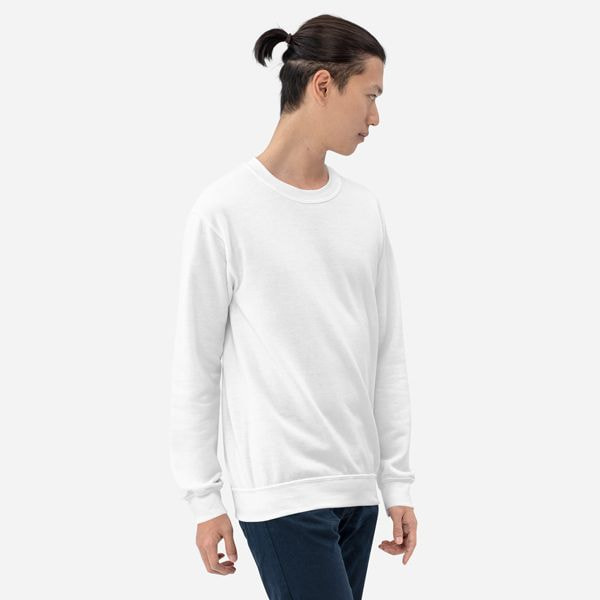
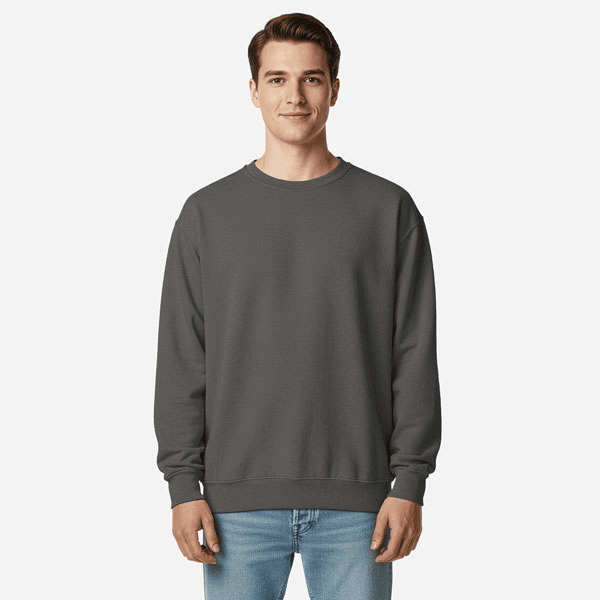
Other sweatshirt options worth comparing
Products of the same type we can price across multiple suppliers, ordered by how many suppliers carry them.
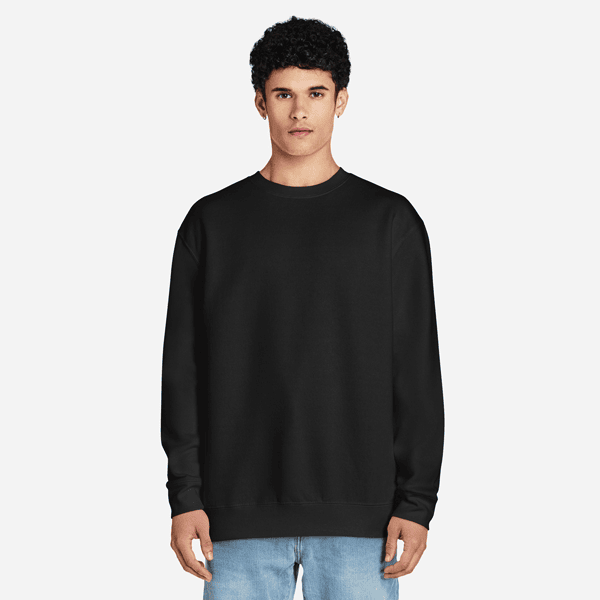
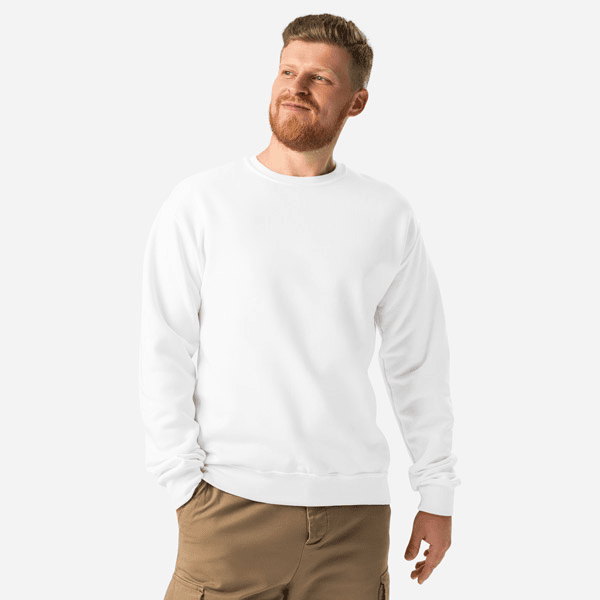
Related reading
- 🧶 Champion S600 vs Gildan 18000: Is the C Worth $6.78? Champion S600 costs $18.28 against the Gildan 18000's $11.50 at the cheapest verified supplier. What the embroidered C actually costs you per unit.
- 🧥 Gildan 18500 vs 18000: Hoodie or Crewneck? Same fleece, same price tier — one has a hood, one doesn't. Specs and demand data to decide whether to stock the 18500, the 18000, or both.
- 🧶 Gildan 18000 vs Lane Seven LS14004 for POD Budget 50/50 crewneck vs heavyweight premium cotton crew. Specs, weight, fabric, and price tiers to decide if the upgrade is worth it for POD.
- 👕 Comfort Colors 1717 vs Gildan 5000 for POD Comfort Colors 1717 vs Gildan 5000: garment-dyed vintage tee vs the cheapest volume blank. Specs, real price bands, and which wins for your store.
